Problem-Driven.
Test-Validated.
Every SMI R&D programme begins with an unsolved operational problem — a calibre our existing body armour doesn't stop, a building envelope that cannot accept the thickness of standard ballistic glazing, an anti-drone requirement that electronic systems cannot reliably address. We do not develop technology looking for a use case.
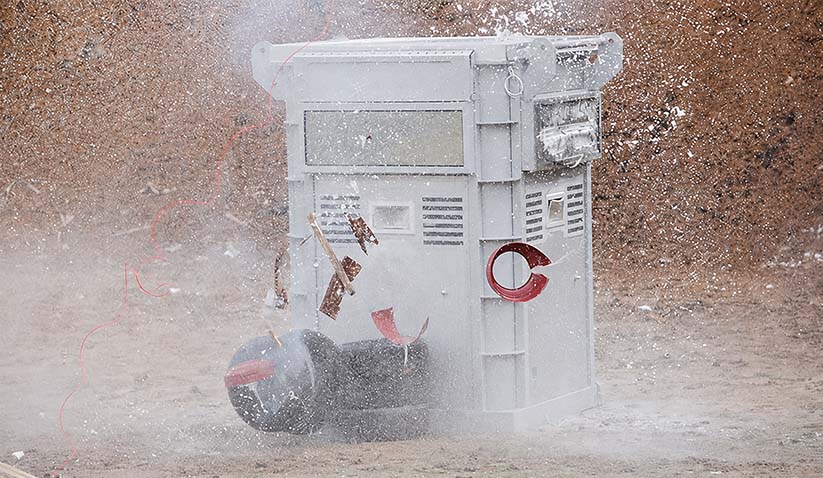
Material selection, laminate construction, structural form — all are developed in-house and validated by live-fire testing at our facility, followed by independent certification at TBRL Chandigarh or DRDO-accredited facilities. Only a product that passes independent certification reaches the market.
We actively collaborate with Indian defence research organisations, university materials science departments and operational end-users — army, police and border security force units — to ensure our solutions are tested against real-world operational requirements, not just laboratory threat models.
Current
Research
Programmes
Ultra-Lightweight Composite Materials
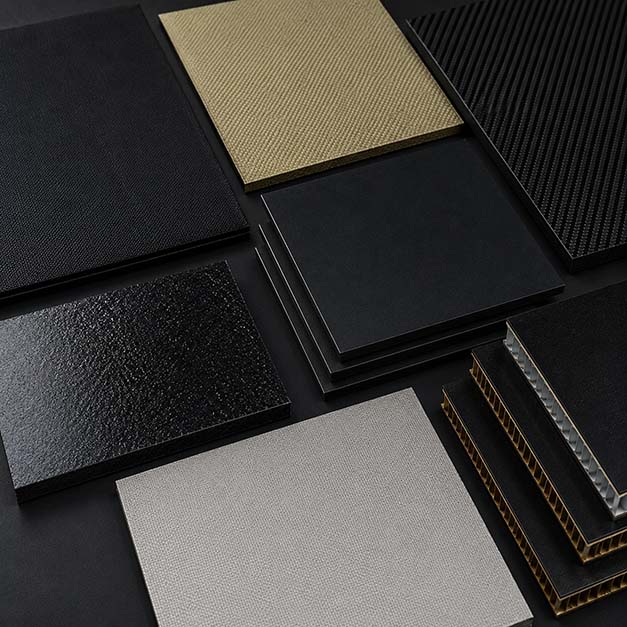
Developing next-generation UHMWPE and ceramic matrix composite laminates targeting a 20% weight reduction over current NIJ III panels without loss of protection level — critical for extended wear in Indian climate conditions.
Multi-Hit Ballistic Glazing
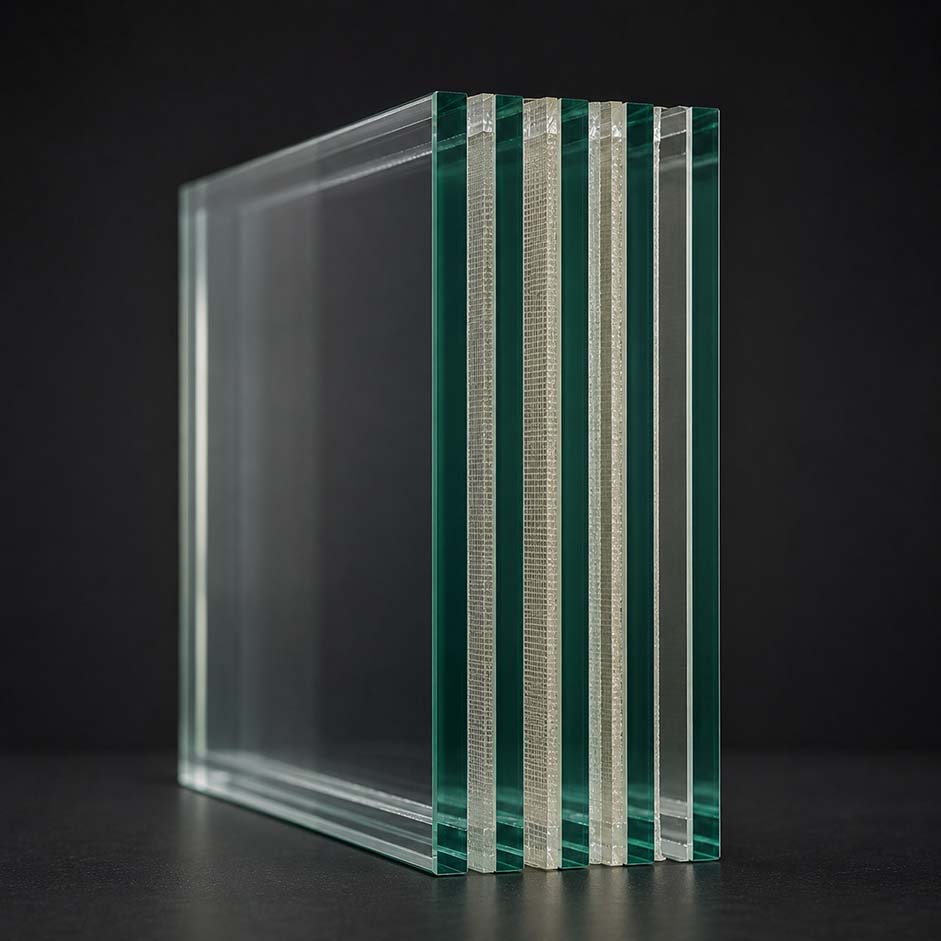
Investigating novel interlayer bonding systems for GPC panels that improve multi-hit performance — maintaining optical clarity and structural integrity after multiple rounds at the same panel rather than just the first impact.
Passive Anti-UAS Physical Systems
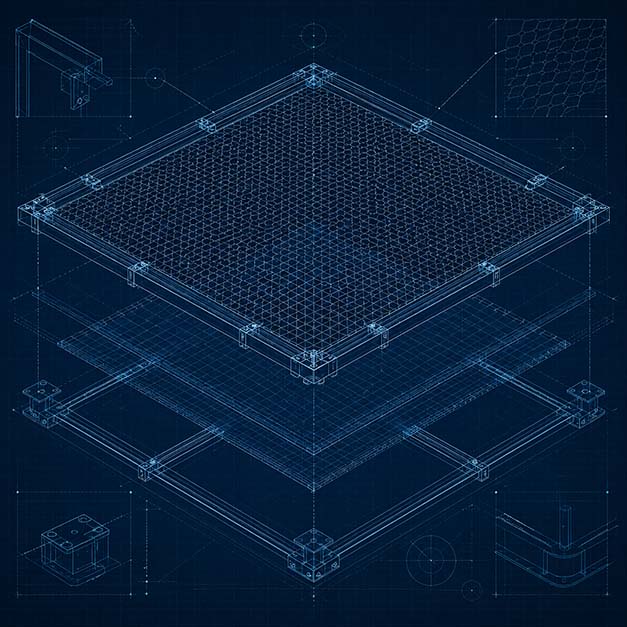
Continuing development of our anti-drone product family — including net-and-mesh systems optimised for different aperture/drone-size combinations and passive overhead protection panels for personnel in exposed positions.
From Brief to
Certified Product
Our rigorous, problem-driven methodology ensures every solution is thoroughly tested and independently certified before deployment.

Problem Brief
Operational requirement captured from client, end-user field team or internal observation. Threat model defined.

Materials Research
Material selection and laminate configuration developed in-house. Sample panels fabricated on the production floor.

Product Construction
Precision manufacturing using state-of-the-art machinery and advanced tooling systems. Every stage is executed by a highly trained workforce of industry experts to ensure flawless structural integrity.

Independent Certification
Final product submitted to TBRL Chandigarh or DRDO-accredited facility for independent certification before release.